Oct 30

8 Steps to Modernizing Safety Training

Evolve with the Modern Workforce

Write your awesome label here.
For decades, safety training has looked the same — PowerPoints, binders, and checklists delivered in a classroom. But the workforce has changed. New hires grew up learning through video games and interactive media, while experienced operators carry years of hands-on expertise that can’t be replaced by slides.

The challenge for today’s safety leaders isn’t just keeping up with compliance; it’s modernizing training in a way that engages every generation and actually sticks. 

Today’s workforce learns differently. Visuals, videos, and simulations now play a critical role in how people absorb information, especially as generational dynamics reshape the workplace. We finally have the technology to make safety training not just more engaging, but significantly more efficient and consistent across teams.

The workforce has evolved, so should training programs. 
A Lack of Engagement 


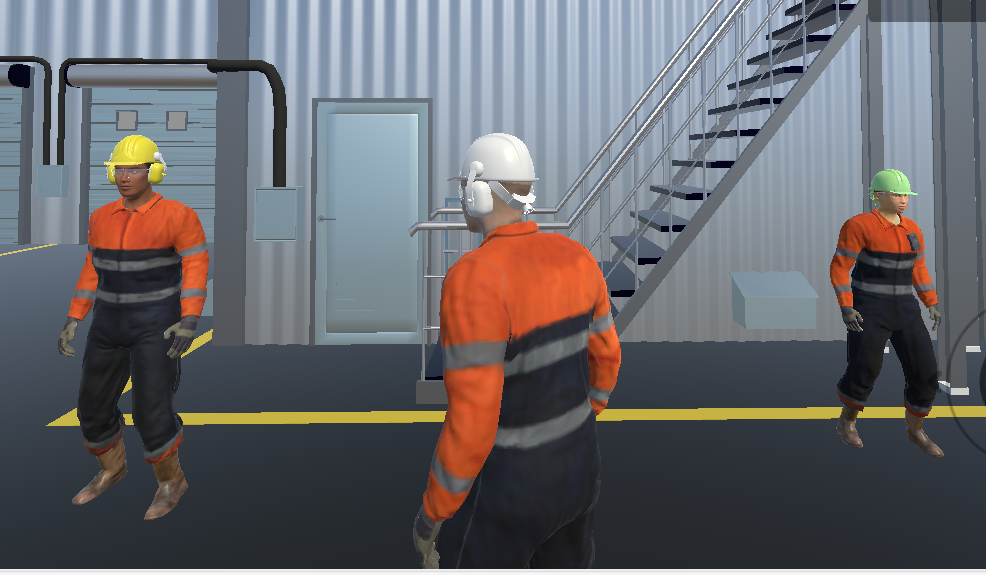
Outdated safety training methods come at a real cost — both in performance and in safety outcomes. When training feels passive or disconnected from the real world, employees disengage. That leads to low retention, inconsistent application of procedures, and avoidable errors in the field.

Today’s worksites demand more. The modern workforce expects learning that’s visual, interactive, and personalized — and the technology now exists to make that possible.


Modern safety training has three key attributes: 

  • Deployable and Scalable – Modern training can be launched instantly and scaled effortlessly to company demand. It should be mobile-friendly and browser-based to allow easy access.


  • Interactive – Modern training includes interactive components, such as 3D-gamified training and realistic digital twins. It should encourage participation, not passive listening.


  • Adaptable – Modern training - by definition - should not be outdated. Effective training programs should evolve with both technology and work force demands. 

Over the next eight weeks, we’ll explore exactly how to apply these principles inside your organization — one step at a time.
Write your awesome label here.
At Wellsite LMS, we’re leading this movement. Our mission is to help companies reimagine what training can be — not just compliant, but engaging, data-driven, and built for the next generation of workers.

Each article in this series will guide you through a new phase of the modernization process: from assessing your current materials to introducing digital twins, gamified modules, and blended learning techniques that bring safety culture to life. Follow along as we break down how to modernize your safety program from the ground up — and show what it looks like when training finally catches up to the way people learn today.

Parts Questions Solutions
Part 1 Should I Update My Training Program?   The Benefits of Modernization
Part 2 How Do I Transform My Existing Content? Leverage Your Legacy Training Materials 
Part 3 What is a Digital Twin, and What Do I Do with It?  Build Realism with Digital Twins
Part 4  Can Your Teams Learn from Video Games?  Use Games for Learning 
Part 5  How Can I Use Digital Tools for My In-Person Training? Supplement Classroom Training
Part 6  How Do I Keep Multiple Generations Engaged? Engage Young Learners, Maintain Old Guard
Part 7  What is the Best Way to Track the Status of My Team? Track Team Progress
Part 8  How Can I Make this Stick? Measure, Scale, Sustain

Each week, we’ll walk you through a step in the modernization map, using simple and practical ways to make your training more engaging and effective. By the end of this eight-week program, you should have a framework you can actually use. Modernizing safety training isn’t about keeping up with technology but about keeping people safe through better engagement and real-world practice

Join us next week for Part 1 

Interested in learning more? Reach out to us here:
calendly

 
   Devon
   Email: devon.frost@wellsitelms.com
   LinkedIn: devon_frost