Digital twins do not solve the same problem for every company. They adapt to the specific needs of each operation.
Process Manufacturing
In
process manufacturing industries (such as
oil and gas, or
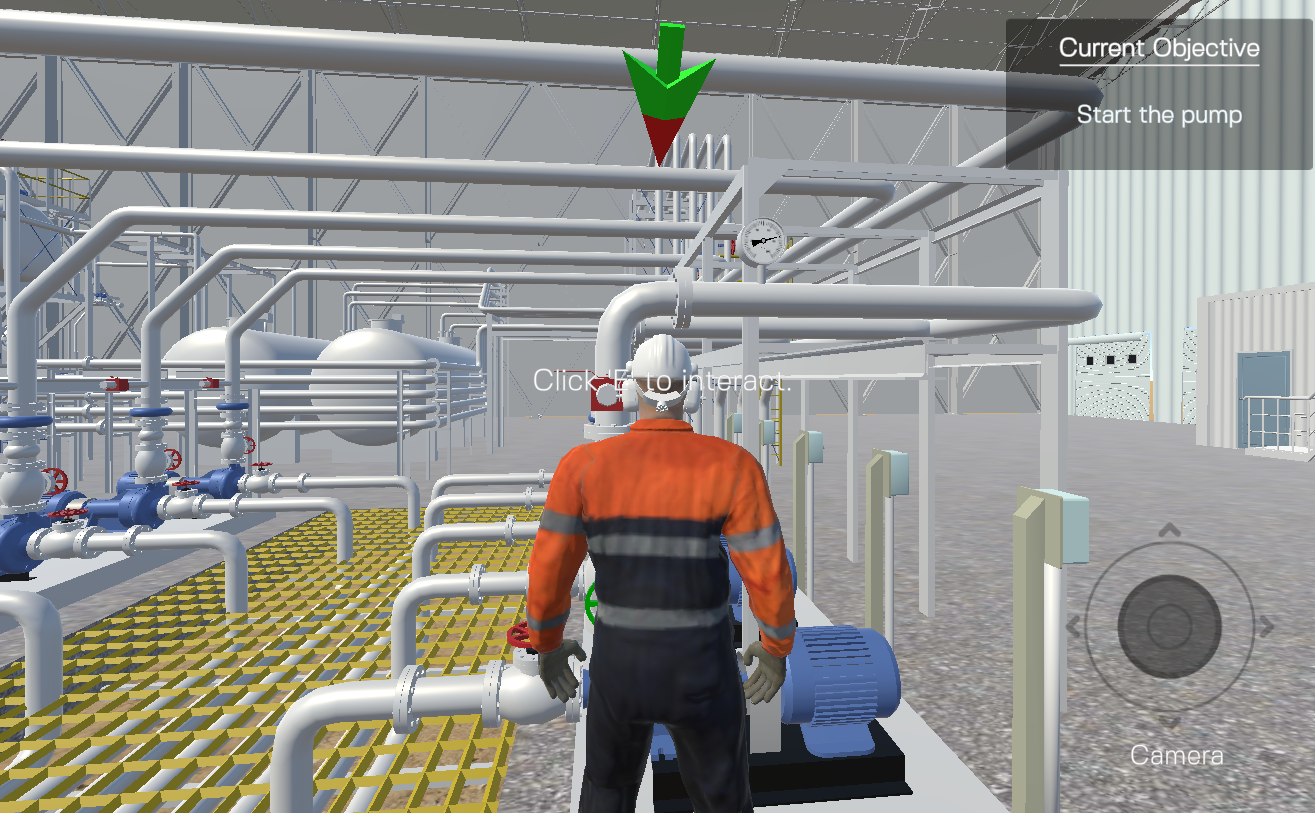
chemicals), training often centers on procedural accuracy and risk management. Workers interact with complex systems where the order of operations matters.
A digital twin can replicate equipment such as compressors, separators, pump skids, and valves. Operators can practice scenarios including lockout/tagout, equipment isolation, and startup/shutdown within a virtual version of their actual facility.
This allows teams to reinforce correct sequencing while giving workers a safe place to understand how individual actions affect the larger system.
Machine Manufacturing
In
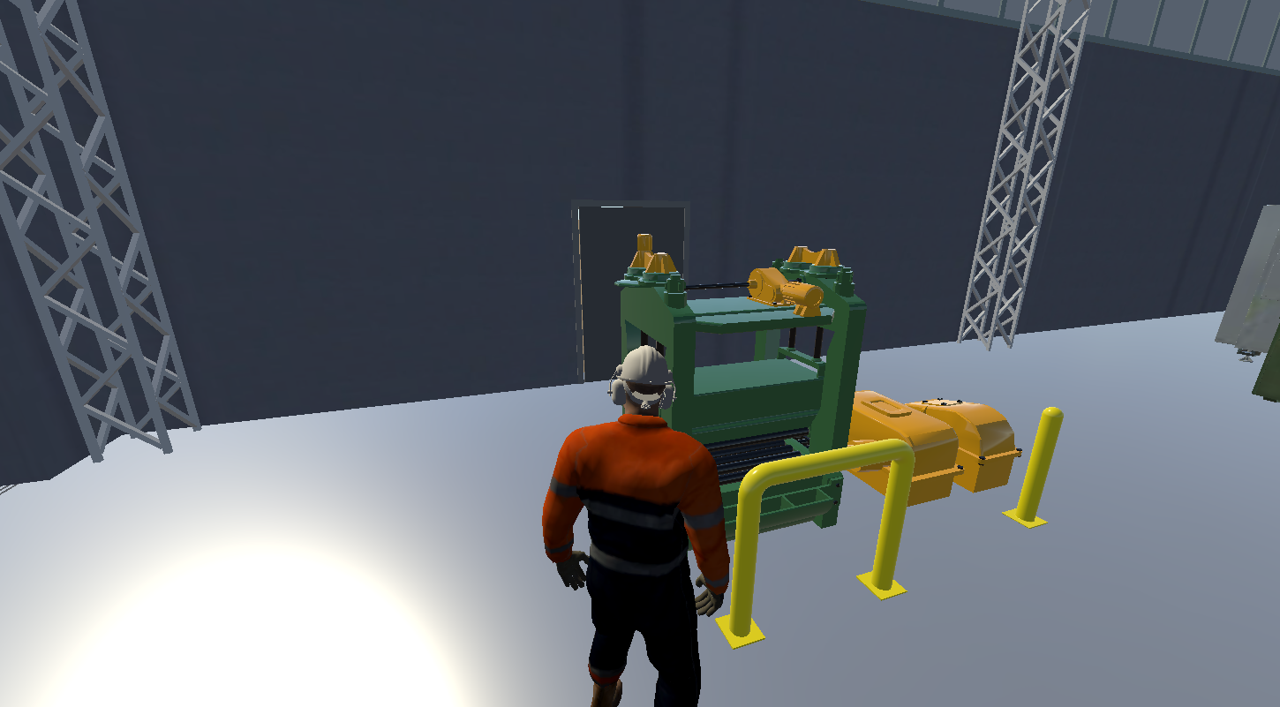
manufacturing environments, consistency and precision are often the priority. Small deviations in how equipment is set up or maintained can lead to quality issues or unplanned downtime.
A digital twin can model production lines, conveyors, control panels, and safety interlocks. Technicians can train on machine startup, calibration, maintenance procedures, and changeovers while seeing how their work impacts downstream processes.
Because the training reflects the real machines on the floor, organizations can reduce variability between shifts and speed up onboarding for new technicians.
Construction
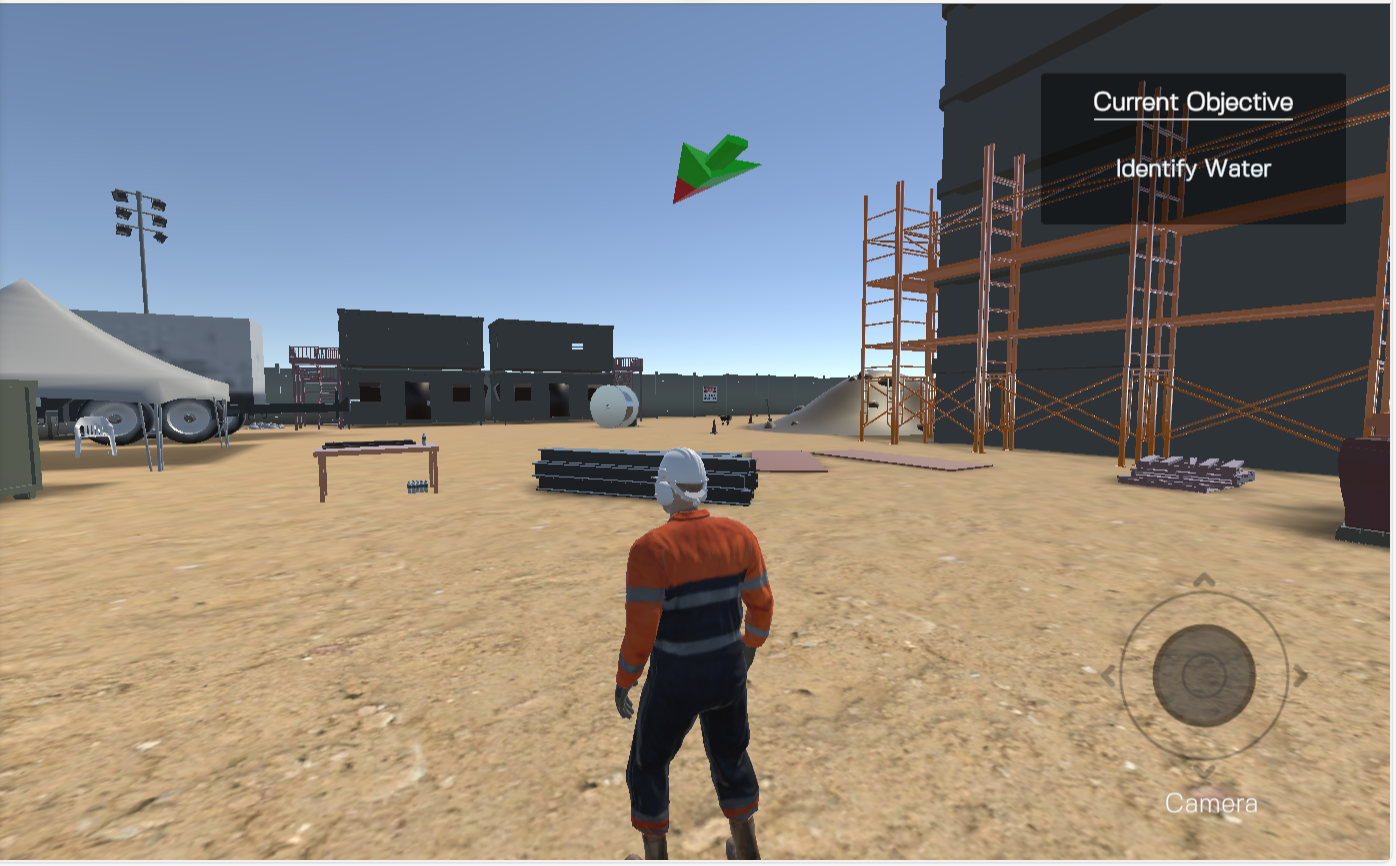
Construction sites are constantly changing, which makes it difficult to prepare workers using static training materials.
A digital twin can simulate job sites that include scaffolding, excavations, cranes, lifts, temporary power, and material staging areas. Crews can walk through these environments to identify fall hazards, equipment conflicts, and access issues before work begins.
This type of training helps improve awareness and decision making, especially during high-risk phases of a project.
Some of the most important training scenarios are not tied to one industry.
Emergency response, evacuation, and active threat situations can affect offices, plants, warehouses, and job sites alike.
Digital twins allow organizations to simulate these events inside their own buildings and facilities. Employees can practice evacuation routes, shelter locations, and communication protocols within a virtual version of the spaces they use every day.
This makes emergency training more realistic and more memorable than generic videos or slide decks.
What makes
digital twins powerful is not that they provide one perfect training solution. It is that they provide a
flexible environment that can support many different types of training.
A single platform can support procedural training, safety walkthroughs, emergency response drills, onboarding, and compliance tracking, all tailored to each facility.
This allows organizations of any size to focus on the scenarios that matter most to them, whether that is preventing equipment damage, reducing safety incidents, or preparing for rare but high impact events.
When training reflects the real-world people work in, it becomes
easier to understand,
easier to remember, and
easier to apply.
Digital twins give organizations a way to bring their own facilities, equipment, and risks into the training process instead of relying on generic content.
That is why more companies across many industries are exploring digital twin based training to improve safety, performance, and preparedness.