Jan 5
How Can I Make this Stick?
Measure, Scale, Sustain
Modernizing training is not just about building better content. The real challenge is whether those improvements survive the rollout.
Most organizations can launch something new. Far fewer can sustain it, refine it, and scale it across shifts, sites, roles, and changing operational demands. Effective safety and operations training is not a one-time project. It is a living system that must be measured, maintained, and continuously improved to deliver long-term value.
Every leader who modernizes training eventually reaches the same question: How do we make this stick? The answer lies in three principles: measure what matters, scale what works, and sustain what your teams rely on.
Measure What Matters
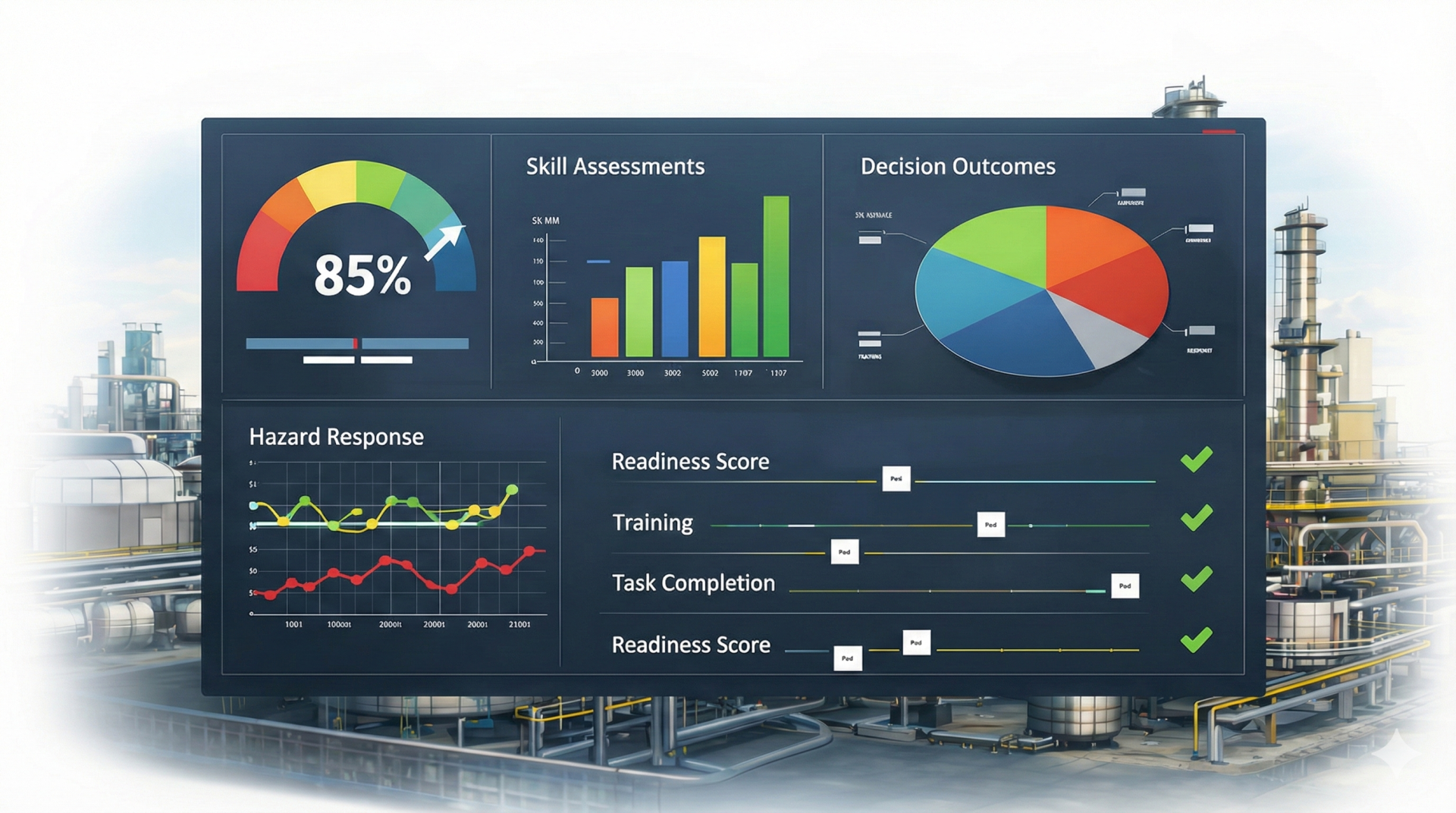
You can't strengthen what you don't understand. Traditional training metrics such as attendance and completion only tell part of the story. They confirm participation, but they do not reveal capability.
Modern training programs measure performance in the context that matters most: real work. With digital twins, guided scenarios, and interactive decision points, leaders can see how employees navigate tasks, respond to hazards, choose between competing actions, and adapt when conditions change. This is where modern tools move from innovation to infrastructure.
These measurements provide a clear picture of readiness grounded in the realities of the job. They show not just who completed training, but who can apply it under pressure.
Meaningful measurement also creates transparency. Employees understand their own strengths and areas for improvement. Supervisors gain visibility into team readiness. Leadership can see how training influences operational performance. This clarity supports better coaching, more confident decision-making, and earlier intervention when gaps appear.
When you measure what matters, training stops being a requirement and starts functioning as an operational tool.
Scale What Works
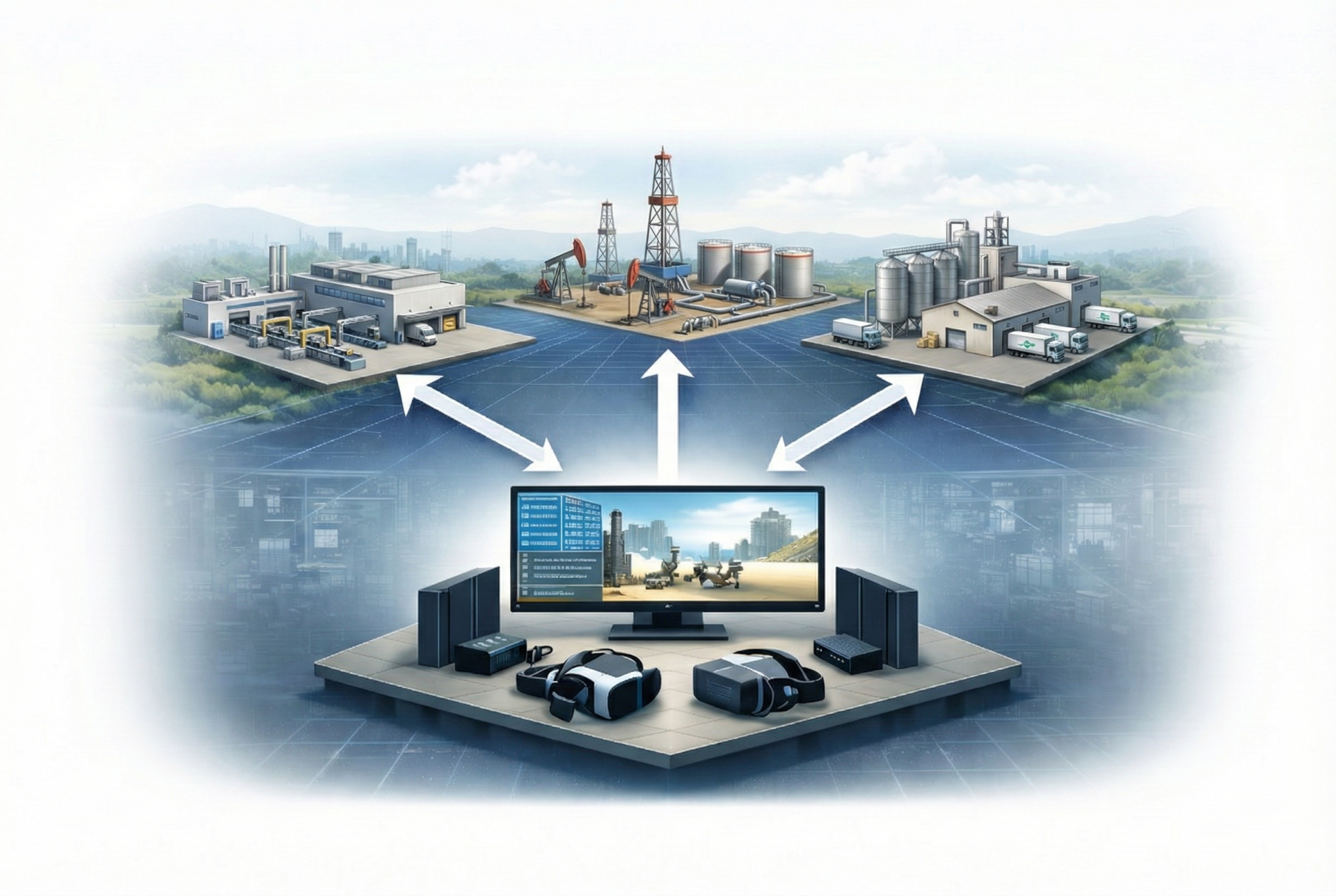
Once a modern training system produces strong results, the next step is scaling it across the organization. Scaling is not simply repeating the same content. It is about creating consistency in how people learn, practice, and perform wherever risk exists.
Digital tools make scaling more achievable than ever. A digital twin built for one facility can support teams across multiple sites. A scenario created for a specific role can be reused for new hires, contractors, refreshers, or role transitions. Improvements identified in one location can become standardized updates across the entire operation.
Scaling also protects organizations during growth, turnover, and acquisition. Instead of relying on individual instructors or local knowledge, every employee receives the same level of clarity, the same walkthroughs, and the same opportunities to practice.
This consistency creates a shared safety language across teams, one of the strongest predictors of reduced incidents and stronger operational performance. When leaders scale what works, training becomes an extension of the organization rather than a separate activity.
Digital tools make scaling more achievable than ever. A digital twin built for one facility can support teams across multiple sites. A scenario created for a specific role can be reused for new hires, contractors, refreshers, or role transitions. Improvements identified in one location can become standardized updates across the entire operation.
Scaling also protects organizations during growth, turnover, and acquisition. Instead of relying on individual instructors or local knowledge, every employee receives the same level of clarity, the same walkthroughs, and the same opportunities to practice.
This consistency creates a shared safety language across teams, one of the strongest predictors of reduced incidents and stronger operational performance. When leaders scale what works, training becomes an extension of the organization rather than a separate activity.
Sustain What Your Teams Rely On
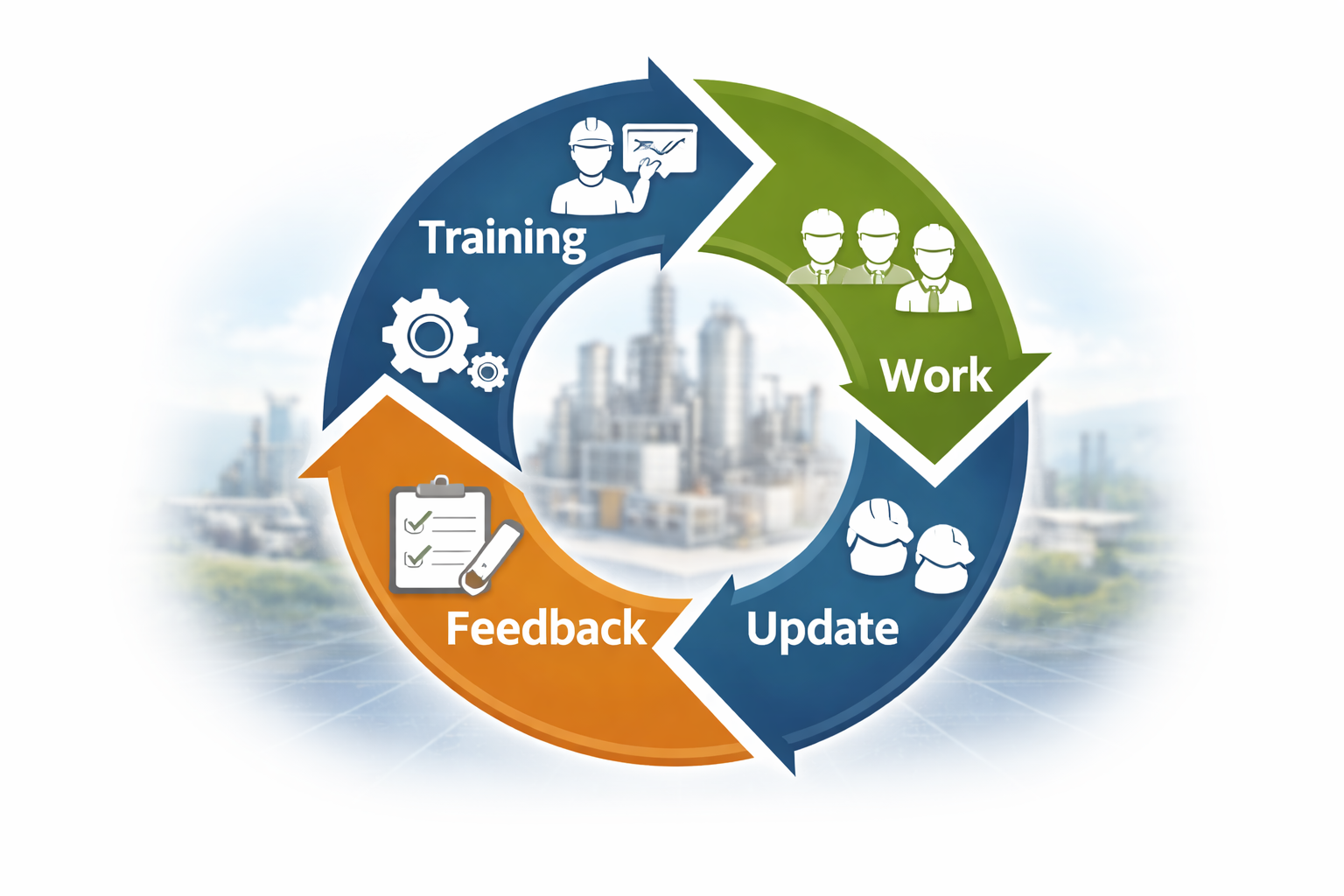
Sustaining a modern training program means weaving it into the long-term rhythm of operations. Procedures evolve, equipment changes, and the workforce shifts. A sustainable program does not resist this change. It absorbs it.
Digital twins and scenario-based modules can be updated as equipment is replaced or workflows change. Performance data reveals which procedures require reinforcement over time. Annual refreshers become more effective because they build on interactive practice rather than repeating static instruction.
Sustainability is not about freezing training in place. It is about keeping it relevant without starting over.
Culture plays a critical role as well. When employees see training as something that helps them perform better, engagement improves. When supervisors use skill data for coaching rather than compliance, trust grows. When leadership reinforces the value of preparedness and practice, training becomes part of how work gets done rather than something that competes with it.
A sustainable training program evolves alongside the operation and remains relevant to everyone who depends on it.
Digital twins and scenario-based modules can be updated as equipment is replaced or workflows change. Performance data reveals which procedures require reinforcement over time. Annual refreshers become more effective because they build on interactive practice rather than repeating static instruction.
Sustainability is not about freezing training in place. It is about keeping it relevant without starting over.
Culture plays a critical role as well. When employees see training as something that helps them perform better, engagement improves. When supervisors use skill data for coaching rather than compliance, trust grows. When leadership reinforces the value of preparedness and practice, training becomes part of how work gets done rather than something that competes with it.
A sustainable training program evolves alongside the operation and remains relevant to everyone who depends on it.
Creating a Training System That Lasts
When meaningful measurement, thoughtful scaling, and long-term sustainability work together, training becomes far more than a collection of modules. It becomes a system that
- Improves operational readiness
- Strengthens safety performance in measurable ways
- Creates consistency across shifts and locations
- Reduces the time required to onboard and upskill
- Supports employees throughout their careers
Most importantly, it becomes a system that does not fade after rollout. It grows. It adapts. It improves alongside the operation itself.
Modern training sticks when it is treated as an evolving part of the job, not a temporary initiative.
Moving Toward Modernization
This eight-part series outlined a clear roadmap for transforming traditional training into a modern, effective, and sustainable system. By digitizing legacy content, building realism with digital twins, leveraging interactive learning, reinforcing classroom instruction, supporting multiple generations, tracking real skills, and measuring what matters, organizations can create training that lasts.
Sustainable training is not achieved through a single decision. It is built through consistent choices over time that reinforce clarity, practice, and performance.
Modernizing training is not a trend. It is a long-term advantage. And when done well, it becomes something your entire organization can rely
Thank you for following this series. If you’re just joining us, you can start from the beginning with “8 Steps to Modernizing Training.”
Interested in learning more? Reach out to us here: calendly

Welcome!
Please find on this page your required safety trainings.
Note that you will find both English and Spanish versions of courses. You will only be required to take one or the other.
Note that you will find both English and Spanish versions of courses. You will only be required to take one or the other.