Dec 10
How Do I Keep Multiple Generations Engaged?
Engage Young Learners, Maintain the Old Guard
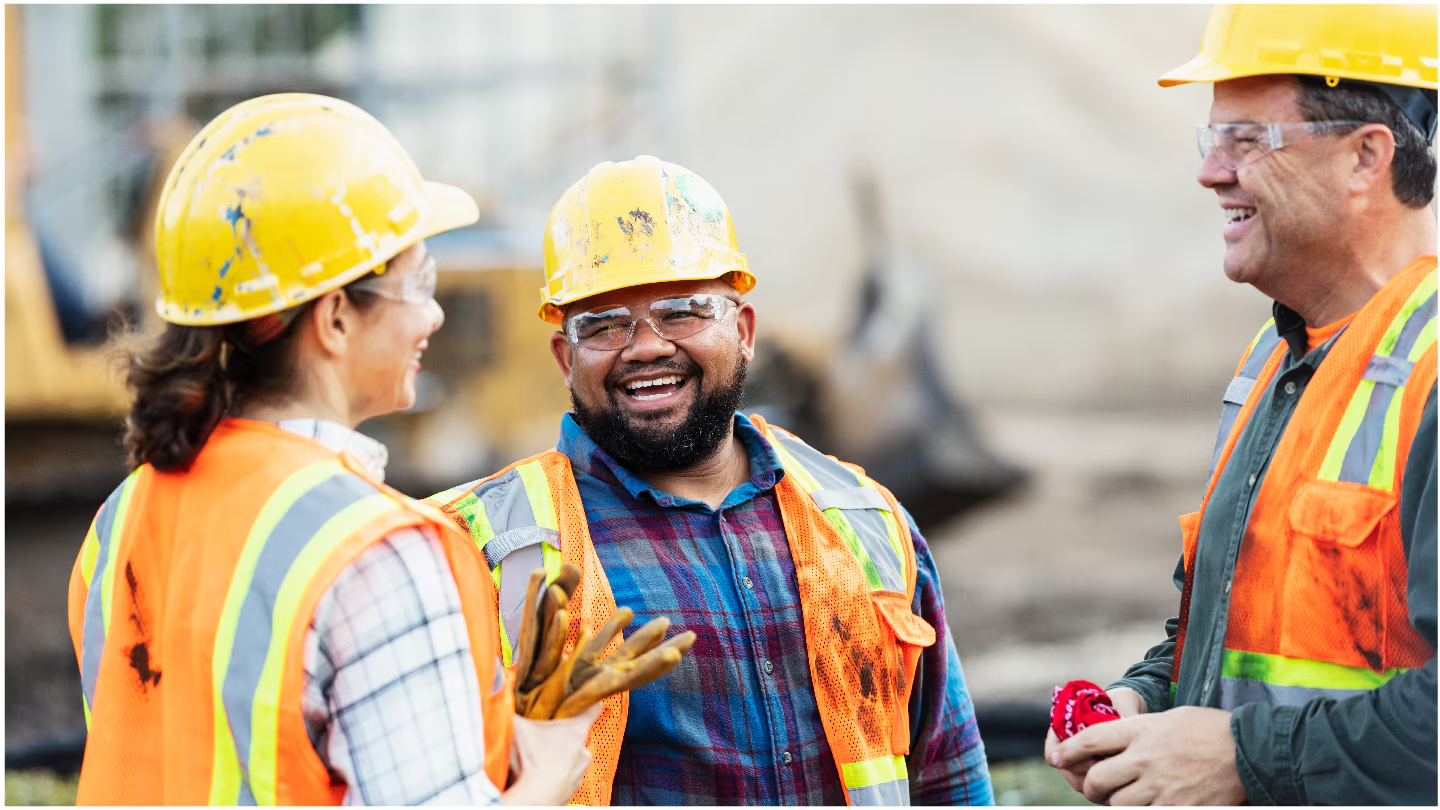
Today’s workforce spans several generations, each shaped by different technologies, learning styles, and expectations. Baby Boomers and Gen X often prefer structured, detail-rich instruction. Millennials and Gen Z lean toward visual, interactive, and fast-moving formats. Safety leaders feel that tension every day: how do you keep seasoned operators engaged without losing the focus of younger employees who grew up learning through phones, games, and videos?
You don’t need to choose one style over the other. You can build a training experience that speaks to how each generation learns best.
Why Generational Engagement Matters
Older employees can find it harder to stay focused when training moves too quickly, when it introduces unfamiliar technology without support, or revisits information they already know without clearly explaining what has changed. Younger employees struggle with passive, text heavy sessions that lack visuals, interactivity, or real-world context. Their sets of challenges may differ, but both lead to reduced attention and engagement.
Disengagement has consequences. It weakens retention, blurs procedures, and creates inconsistencies across crews which can lead to incidents. Newer hires move into the field without the context they need, while experienced workers miss updates or rely on outdated assumptions. Knowledge transfer slows, small gaps compound, and avoidable mistakes become more likely.
To build a safer and more capable workforce, training must support both ends of the experience spectrum, raising the floor for new employees while raising the ceiling for the old guard, ensuring no one falls behind when it matters most.
Disengagement has consequences. It weakens retention, blurs procedures, and creates inconsistencies across crews which can lead to incidents. Newer hires move into the field without the context they need, while experienced workers miss updates or rely on outdated assumptions. Knowledge transfer slows, small gaps compound, and avoidable mistakes become more likely.
To build a safer and more capable workforce, training must support both ends of the experience spectrum, raising the floor for new employees while raising the ceiling for the old guard, ensuring no one falls behind when it matters most.
How to Keep Younger Generations Engaged
Write your awesome label here.
Millennials and Gen Z learn best when training is interactive, visual, and fast paced. Their brains are conditioned by years of rapid information intake through phones, games, and video platforms. Studies on modern attention patterns show that younger adults have an attention span lasting around 8 seconds. Our studies show that younger adults retain information better when they can interact with it instead of simply listening. This is why traditional passive instruction often feels disconnected from how they process and store new information.
To engage younger workers effectively:
- Interactive modules that let them make decisions
- Digital twins that show equipment, layout, and hazards in real context
- Scenario-based challenges that make training feel hands-on
- Short animations or visual breakdowns of complex processes
- Quick quizzes with real-time feedback
Younger employees want to understand why something matters just as much as how it’s done. When training blends clarity with interactivity, they stay focused, motivated, and confident.
How to Keep the Old Guard Engaged
Write your awesome label here.
Experienced operators bring decades of knowledge, and they respond best to structure, detail, and precision. Research on adult learning shows that long-term experts rely heavily on existing mental models, which means they learn most effectively when new information is presented in a clear, logical sequence that connects to what they already know. They do not need training to feel like entertainment; they need it to feel accurate, relevant, and respectful of their experience.
To keep the old guard engaged:
- Clear explanations of procedures
- Step-by-step breakdowns
- Instructor-led Q&A
- Printed or downloadable SOPs
- Digital tools that reinforce accuracy, not gimmicks
Seasoned workers often find that modern training technology can solve problems they have dealt with for years. Clear visual walkthroughs help them validate procedures without guessing. Simple simulations and games with straightforward controls allow them to practice tasks without feeling overwhelmed by unfamiliar interfaces. Digital twins give them an accurate view of equipment layouts, updates, and site changes, helping them align long-held experience with what is expected today. When the tools are realistic, practical, and easy to use, older employees adopt them quickly because they make the work clearer, not more complicated.
Why This Approach Works Across Generations
All generations benefit from visual reinforcement, hands-on practice, and real-world clarity. Younger employees may expect these elements, but older employees gain just as much when the content mirrors actual operations. What often makes the difference is how the technology is introduced. Providing clear guidance, simple controls, slower walkthrough options, or step-by-step coaching helps experienced operators feel confident using digital tools without frustration.
A multimodal approach strengthens learning for everyone by creating shared understanding, accelerating knowledge transfer, reducing reliance on pure “tribal knowledge,” and making onboarding and cross-training more consistent. At its core, this is not about catering to generational stereotypes; it is about designing training that matches how people learn today while giving each group the support they need to succeed.
Keeping multiple generations engaged is not about choosing sides. It is about creating training that respects experience while embracing tools that help everyone learn more effectively. When clarity meets interactivity, younger hires stay energized, experienced operators stay respected and involved, and knowledge flows naturally between generations.
Bringing both sides together is the real advantage. Younger workers contribute digital fluency and fresh perspectives. The old guard contributes operational wisdom and situational awareness. Modern training unites these strengths, bridges gaps, and builds a safer, more capable workforce. The modern workforce is diverse. Your training can be too, and your entire operation will be stronger because of it.
A multimodal approach strengthens learning for everyone by creating shared understanding, accelerating knowledge transfer, reducing reliance on pure “tribal knowledge,” and making onboarding and cross-training more consistent. At its core, this is not about catering to generational stereotypes; it is about designing training that matches how people learn today while giving each group the support they need to succeed.
Keeping multiple generations engaged is not about choosing sides. It is about creating training that respects experience while embracing tools that help everyone learn more effectively. When clarity meets interactivity, younger hires stay energized, experienced operators stay respected and involved, and knowledge flows naturally between generations.
Bringing both sides together is the real advantage. Younger workers contribute digital fluency and fresh perspectives. The old guard contributes operational wisdom and situational awareness. Modern training unites these strengths, bridges gaps, and builds a safer, more capable workforce. The modern workforce is diverse. Your training can be too, and your entire operation will be stronger because of it.
Last week we discussed using digital tools with in-person trainings. Join us on a journey through the “8 Steps of Modernization”.
Interested in learning more? Reach out to us here: calendly

Welcome!
Please find on this page your required safety trainings.
Note that you will find both English and Spanish versions of courses. You will only be required to take one or the other.
Note that you will find both English and Spanish versions of courses. You will only be required to take one or the other.