Dec 18
What is the Best Way to Track the Status of My Team?
Track Team Progress
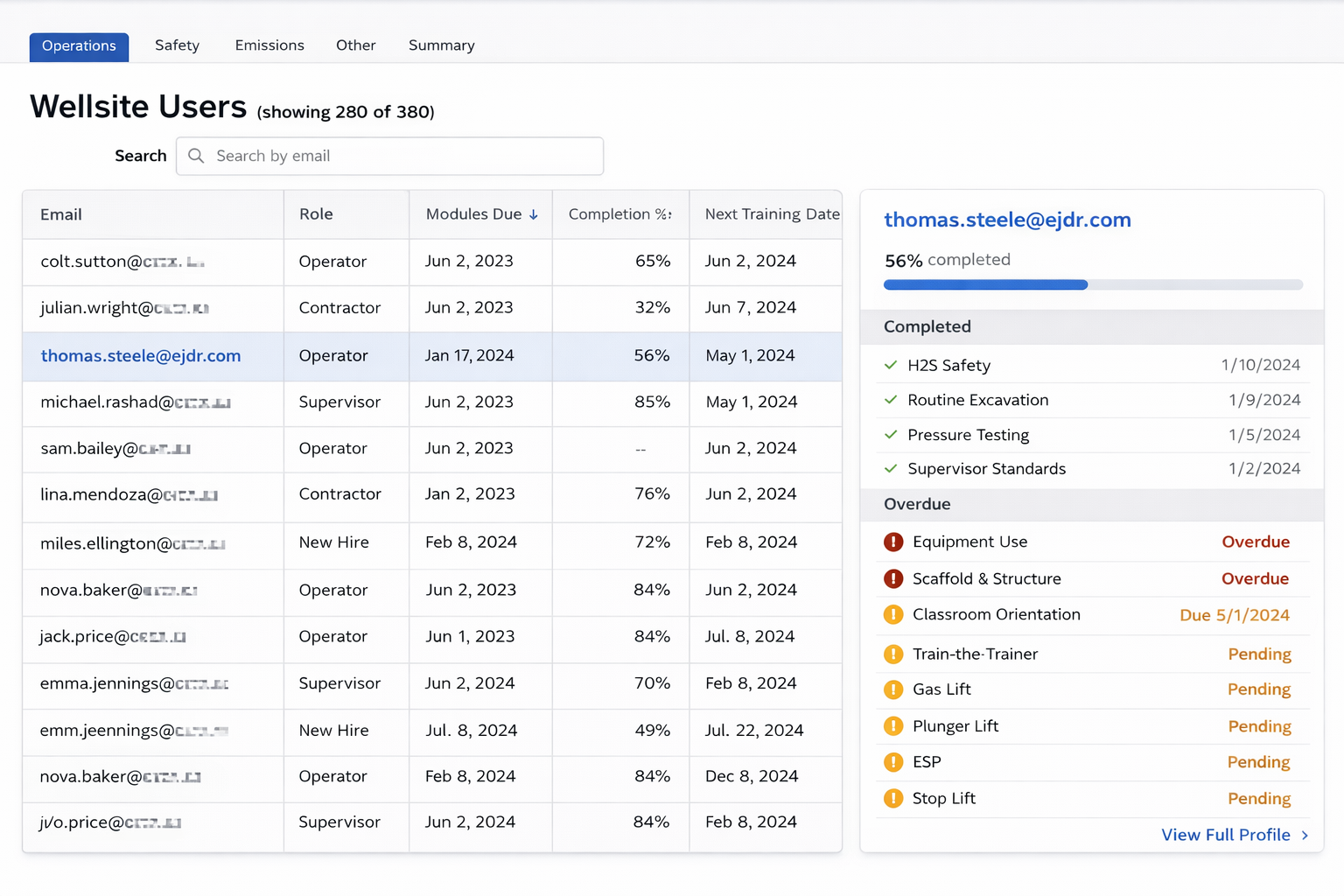
You can't improve what you can't see. For organizations focused on compliance, visibility and organization are essential. Leaders need clear, accurate, and easily maintained records that show who was trained, on what material, and when that training occurred.
Traditional tracking methods such as attendance sheets, sign-ins, and basic quizzes confirm participation and completion. Modern digital tracking builds on this foundation by centralizing records and automatically capturing results, making training data easier to manage, review, and maintain over time.
While worksites evolve, training requirements change with them. Procedures are updated, equipment evolves, and employees move between roles and locations. Digital tracking ensures training records stay current and accessible. Leaders can document completion, assign additional training when needed, and demonstrate ongoing oversight without relying on manual updates or fragmented systems.
Making Tracking More Manageable
As complexity increases, maintaining accurate and verifiable training records becomes more challenging. When information is spread across spreadsheets, sign-in sheets, or disconnected systems, it becomes harder to confirm that requirements have been met consistently.
Digital tracking tools bring structure to this complexity. By centralizing records, leaders can quickly confirm completion, identify where follow-up is needed, and show that expectations are applied consistently across the organization. Information stays current, organized, and easy to verify, reducing administrative effort and simplifying compliance management.
Modern tracking provides the documentation and visibility compliance demands. It shows where training has been completed, where additional instruction is required, and how well procedures are being applied in practice. With this insight, leaders can assign targeted follow-up training and reinforce expectations, strengthening compliance across the operation. The added benefit is improved performance and consistency.
What Modern Tracking Measures
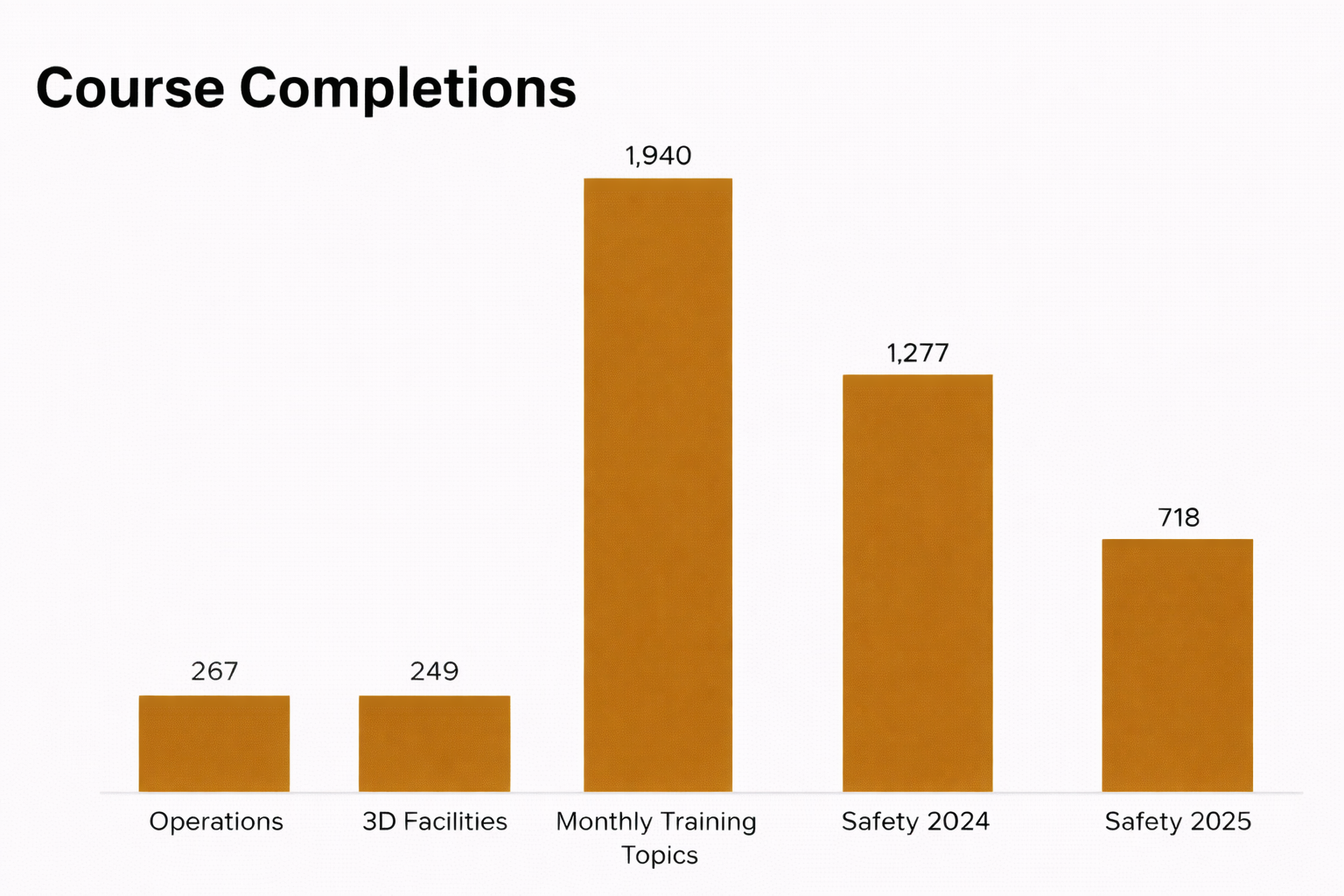
Traditional tracking confirms completion. Modern, digital tracking simplifies recordkeeping while verifying capability.
Interactive assessments, guided scenarios, and digital twin-based exercises capture how employees perform when conditions change, which hazards they recognize, and whether procedures are followed in the correct sequence. Because this information is recorded automatically, results are consistent, searchable, and easy to maintain across roles, locations, and time periods.
This digital recordkeeping strengthens training documentation. Organizations can clearly show that training occurred, that understanding was evaluated using realistic tasks, and that additional training was assigned and completed when needed. Records stay current without manual spreadsheets or paper files, making oversight easier and ensuring training data is always available when it is needed.
How Modern Tracking Improves on Compliance
Digital twins and interactive simulations strengthen training oversight by capturing how employees perform inside lifelike environments modeled after actual facilities, equipment, and procedures. When operators train inside a replica of a compressor station, manufacturing line, warehouse layout, or loadout area, their performance is recorded in conditions that closely match the work they are expected to perform.
This creates clear, consistent training records that are easier to manage and easier to defend. Expectations are applied uniformly across locations, shifts, and instructors, and leaders can confirm completion, verify understanding, and identify where additional training is required. Records reflect not just attendance, but documented engagement with required procedures.
With this level of visibility, follow up becomes structured and repeatable. Additional training can be assigned quickly, completion can be confirmed, and records remain accurate over time. Compliance is easier to maintain because oversight is continuous and documented, while the added benefit is more controlled onboarding, clearer task readiness, and greater confidence in workforce capability.
What Digital Tracking Makes Possible
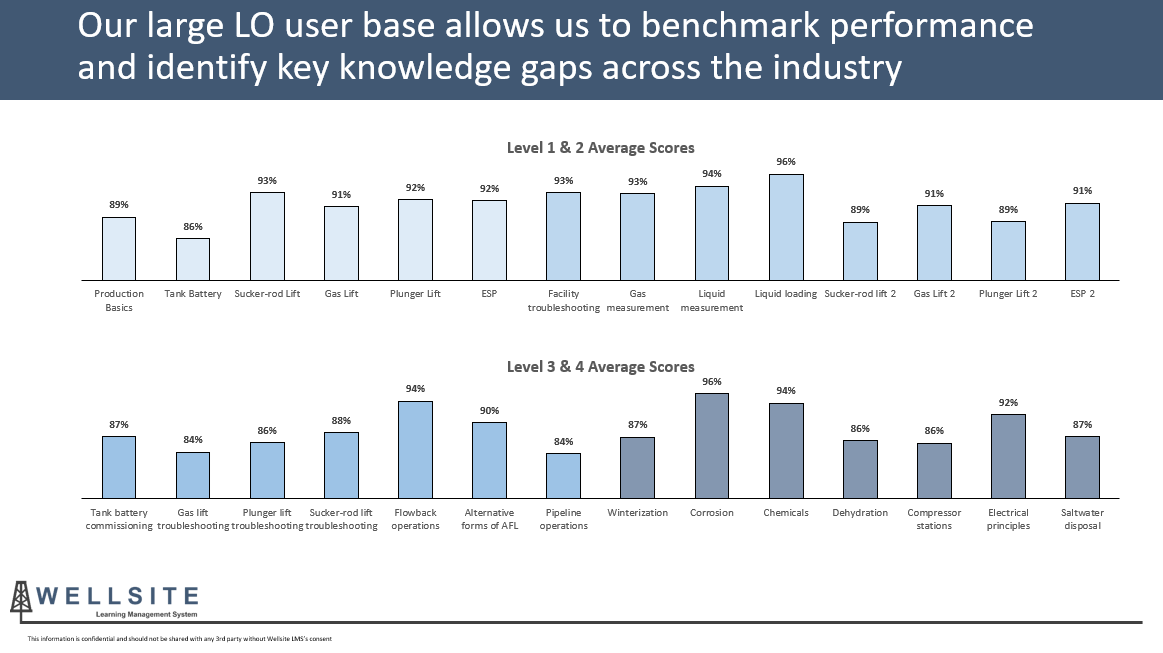
At its core, modern tracking is about making compliance easier to manage. Digital tools simplify how training activity is recorded, verified, and maintained over time. Records stay centralized, current, and easy to access, which reduces administrative effort and makes it straightforward to confirm that requirements have been met.
Because tracking is digital, it also provides more useful information than traditional records. Beyond completion data, leaders can see detailed results from assessments, scenarios, and interactive exercises. This includes how employees performed, where they hesitated, and whether procedures were followed correctly. These details add clarity to training records and strengthen oversight.
With this level of visibility, leaders can respond more confidently. When gaps appear, follow up training can be assigned, completed, and documented without disruption. Expectations stay consistent across roles, shifts, and locations, and records reflect not just attendance, but real engagement with required material.
Modern tracking helps organizations stay compliant without unnecessary complexity. At the same time, it provides clearer insight, stronger oversight, and more consistent execution across the operation. When tracking is handled digitally, compliance becomes easier to maintain and easier to demonstrate over time.
Last week we discussed using digital tools with in-person trainings. Join us on a journey through the “8 Steps of Modernization”.
Interested in learning more? Reach out to us here: calendly

Welcome!
Please find on this page your required safety trainings.
Note that you will find both English and Spanish versions of courses. You will only be required to take one or the other.
Note that you will find both English and Spanish versions of courses. You will only be required to take one or the other.